

IRYCIS highlights the study on the prevalence of antiretroviral resistance in children with HIV in Guatemala as outstanding publication
Tuesday, August 5, 2025.
According to the Ramón y Cajal Institute for Health Research, this study, led by África Holguín and Marisa Navarro, has significant implications for public health policies and clinical guidelines in Guatemala.
Read the full article here
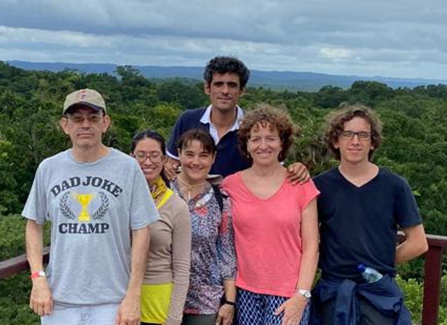
High prevalence of antiretroviral resistance detected in children with HIV in Guatemala
Wednesday, July 9, 2024.
A pioneering international study, led from Spain by CIBER researchers África Holguín and Marisa Navarro (PLANTAIDS Network) and from Guatemala by the head of the Pediatric Unit for Comprehensive HIV and Chronic Infection Care at Hospital Roosevelt, reveals that nearly 80% of children and adolescents with HIV treated at a hospital in Guatemala had at least one mutation associated with drug resistance acquired after taking medication.
Read the full article here
The battle is not won: 650,000 people still die from AIDS every year
Sunday, December 1, 2024.
HuffPost interviews África Holguín as an expert to discuss the global situation of HIV and AIDS.
Read the full article here

Study shows that healthy children born to HIV-positive mothers have an altered immune system
Sunday, December 1, 2024.
This research, carried out by the Pediatrics Department of Hospital Gregorio Marañón and Drs. África Holguín and José Avendaño from Hospital Ramón y Cajal, explores the impact of HIV exposure and antiretroviral drugs on infants who are not infected with HIV.
Read the full article here

Spanish researchers develop the first prototype for the ‘immediate’ detection of HIV
Saturday, November 30, 2024.
A molecular diagnostic tool for HIV aims to detect the infection within the first 10 days, in an easy and affordable way, with the goal of being applied worldwide.
Read the full article here
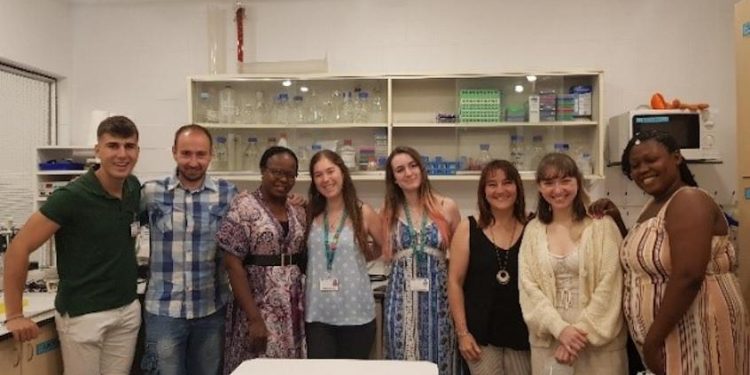
Política Local highlights the Ramón y Cajal University Hospital’s collaboration on an HIV program.
Tuesday, November 19, 2024.
The HIV Molecular Epidemiology Laboratory led by Dr. Holguín is collaborating on a project with the Government of the Republic of Equatorial Guinea, through the Ministry of Health and Social Welfare (MINSABS), to help control the HIV pandemic in the country.
Read the full article here
Ramón y Cajal Public Hospital collaborates in an HIV program in Equatorial Guinea.
Tuesday, November 19, 2024.
Dr. Holguín's group leads research and training in Equatorial Guinea to improve HIV diagnosis, treatment, and monitoring, reduce false positives, detect resistances, and train local staff. Their actions aim to control the epidemic and strengthen the country's health policies.
Read the full article here.
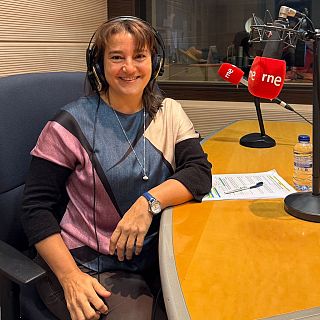
Participation in Radio Nacional de España on the program "A Ciencia Cierta"
Wednesday, October 9, 2024
África participated in the program 'A ciencia cierta' on Radio Exterior, part of National Radio of Spain (RTVE), to discuss pediatric HIV and explain the 'Que Cumplan Muchos Más' campaign in support of pediatric HIV research.
Link to the interview here.

Participation in Radio Nacional de España on the program "Entre Probetas"
Tuesday, October 5, 2024.
África's participation in the program "Entre Probetas" on Radio Nacional de España to discuss "Projects Against Pediatric AIDS." Appearance at minute 23.
Link to the interview here.
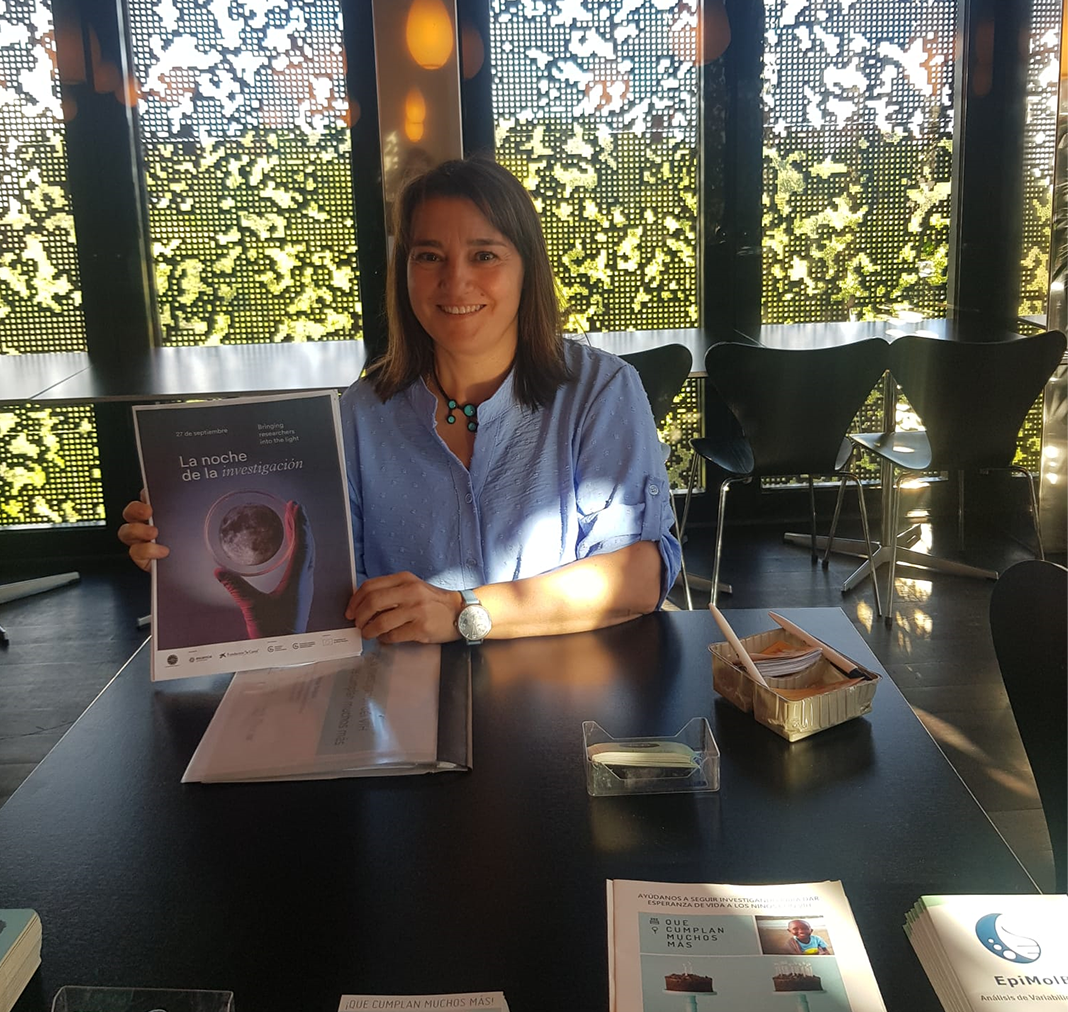
Great Recognition at the 2024 Edition of “The European Researchers' Night”
Friday, September 27, 2024.
The European Researchers' Night was held last Friday, September 27, and IRYCIS was represented in all formats: talks, research workshops, research fair, speed-dating, and storytelling. África and Carlos participated in The Researchers' Night at CaixaForum, Madrid, with two scientific micro-talks and a speed-dating session explaining the challenges of pediatric HIV worldwide and how to use new nanotechnologies for early HIV diagnosis.
Read the full article here.

Great success in private calls led by research staff of the IRYCIS in 2023
Tuesday, May 14, 2024.
Among the projects highlighted by the IRYCIS, our project "Development and evaluation of new molecular diagnostic methods based on nanotechnology and the use of aptamers for the early diagnosis of pediatric HIV worldwide" stands out, led by Dr. África Holguín, in which Ana Valadés is employed and which will be part of her doctoral thesis. In this project, various innovative ultrasensitive nanotechnologies for the detection of different HIV proteins in infected children will be developed and evaluated using specific anti-HIV aptamers characterized by the group.
Read full article here.

Success Panel King’s College Soto de Viñuelas
Friday, March 15, 2024.
Africa Holguín participates, along with 3 other scientists, in the King’s College Success Panel at an event aimed at disseminating science and motivating over 270 young students from King's College Soto de Viñuelas (Tres Cantos, Madrid) to pursue scientific careers addressing their concerns through the expertise of professionals from various scientific fields. The speakers shared their experiences in the discipline, the challenges and opportunities of a scientific career, and answered students' questions about their scientific work and personal experiences leading up to the discovery of their vocation and leadership.

First multicenter study in Spain on new HIV diagnoses in adolescents.
CIBER, Friday, March 15, 2024.
A new study, which includes the largest number of adolescents in Europe, coordinated by the team of África Holguín along with Cristina Epalza from the 12 de Octubre Hospital and the CIBERINFEC team, has evaluated infections by drug-resistant viruses used in therapeutic settings among adolescents with newly diagnosed HIV in Spain, describing transmitted resistance mutations and their possible transmission through clusters.
A new list will facilitate the design and publication of articles on antiretroviral resistance against HIV.
ciber-ESP, Friday, November 10, 2023.
África Holguín, a researcher at CIBERESP in the Molecular Epidemiology Laboratory of HIV-1 at IRYCIS-Ramón y Cajal Hospital in Madrid, has participated in an international study to develop CEDRIC-HIV, a list of essential items when conducting a study on resistance to anti-HIV-1 drugs.
Read the full article here
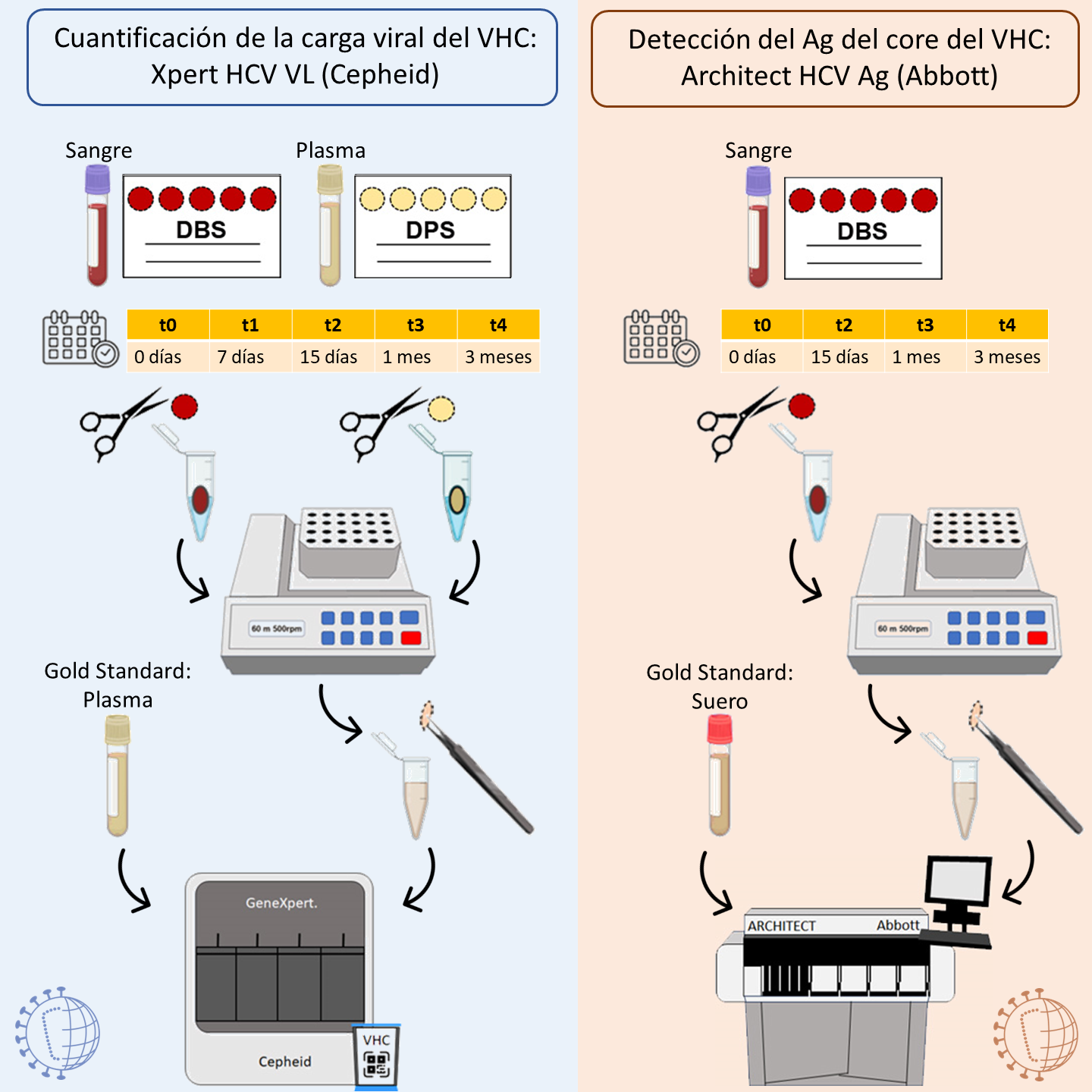
Confirmed the good performance of blood and dried plasma samples for the diagnosis of hepatitis C
ciber-ESP, Friday, September 22, 2023.
A new study conducted at Ramón y Cajal University Hospital in Madrid analyzed the performance of using blood and dried plasma samples (DBS and DPS) for the diagnosis of hepatitis C virus (HCV) using two different assays and evaluated the effect of storage time on their diagnostic performance.
Read the full article here
Great success in privately funded calls in 2022 led by IRYCIS researchers
IRYCIS, Monday, September 4, 2023.
The Familia Alonso Foundation supports the projects "Development of a new bioinformatics tool for the study of genetic variability of pathogens and genetic markers associated with diseases" and "Development and evaluation of new molecular diagnostic methods based on nanotechnology and the use of aptamers for early diagnosis of pediatric HIV worldwide" led by Dr. África Holguín from the Laboratory of Molecular Epidemiology of HIV-1.
Read the full article here
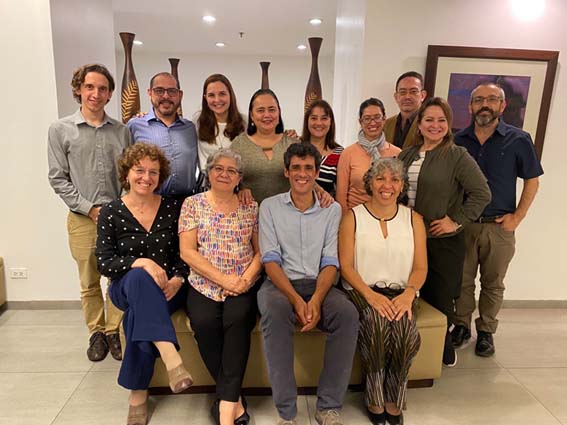
Teams from CIBERINFEC and CIBERESP and the Pan American Health Organization in the fight against pediatric HIV
infec, Tuesday, December 20, 2022.
Participation in the CYTED-PLANTAIDS NETWORK, which involves 9 countries in Latin America (Costa Rica, Ecuador, El Salvador, Guatemala, Honduras, Mexico, Nicaragua, Panama, and Venezuela), whose mission is to improve prevention, early detection, and treatment of pediatric HIV in Latin America.
Read full article here
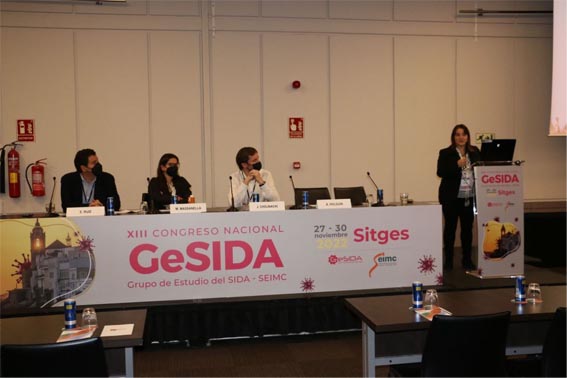
Participation in the XIII National GeSIDA Congress in the session focused on new technologies and applications for the study of HIV
GeSIDA, Monday, November 28, 2022.
The session was closed by Dr. África Holguín from the Ramón y Cajal University Hospital in Madrid, who spoke about new diagnostic techniques for HIV based on the use of highly specific aptamers, DNA or RNA sequences targeted against different proteins of HIV.
Read full article here